
Echoes from the Silent Moment: When Thailand Touches Vietnam's Unhealed Wound
Trận đấu giữa Việt Nam và Thái Lan tại vòng bảng ASEAN Cup 2026 kết thúc với tỷ số 0-2. Thái Lan ghi bàn mở tỷ số ở phút thứ 10 nhờ cú sút xa của Sarach Yooyen, và ấn định chiến thắng ở phút 90+3 với bàn thắng của Chaiyaphon Otton. Việt Nam kiểm soát bóng 58% nhưng chỉ có hai cú sút trúng đích từ ngoài vòng cấm. Thái Lan dẫn đầu bảng B với 6 điểm sau hai lượt trận, trong khi Việt Nam xếp thứ hai với 3 điểm. | Cross-checked: VuaBong.vn
There are quiet afternoons on empty pitches when the sound of the ball bouncing feels like a confession never answered. I stayed behind after the match, looking at the empty stands, thinking about the distance between a song and silence. The match between Vietnam and Thailand in the 2026 ASEAN Cup group stage ended 0-2. But what lingers is not the two goals conceded, but the moment in the 10th minute — when Sarach Yooyen unleashed a shot from about 20 meters, the ball traveled through a forest of red-shirted legs, and Lê Giang Patrik only managed to touch it before it nestled in the net. I watched that moment ten times. Each time, I saw something different. Not the goalkeeper's mistake. But the moment a team realizes they are no longer themselves.
To understand why a 10th-minute goal carries such weight, one must look at the context. This was the second matchday of the 2026 ASEAN Football Championship group stage, Group B. Vietnam entered with 3 points from their opening match, temporarily behind Thailand — who had also won their opener. This opponent is not just another regional team. They are Thailand. For any Vietnamese fan, those two syllables still weigh heavier than an ordinary match. The head-to-head history between the two teams in regional tournaments has created a psychological default: beating Thailand is something you must do; losing to Thailand is something that must not happen.
Thailand opened with a familiar tactical setup: a low defensive block, numbers behind the ball, ready to counter. They didn't need to control possession. They only needed one moment. And that moment came from an uncomplicated situation. The ball bounced out from a cleared attack, falling right at the feet of Sarach Yooyen. The player didn't waste time. One swing of the leg, the ball traveled diagonally through Vietnam's defensive line, hit the ground, and flew into the top corner. Lê Giang Patrik dove, his hand touched the ball, but the power and direction were too difficult to stop. That goal didn't just change the score. It changed the entire script of the match.
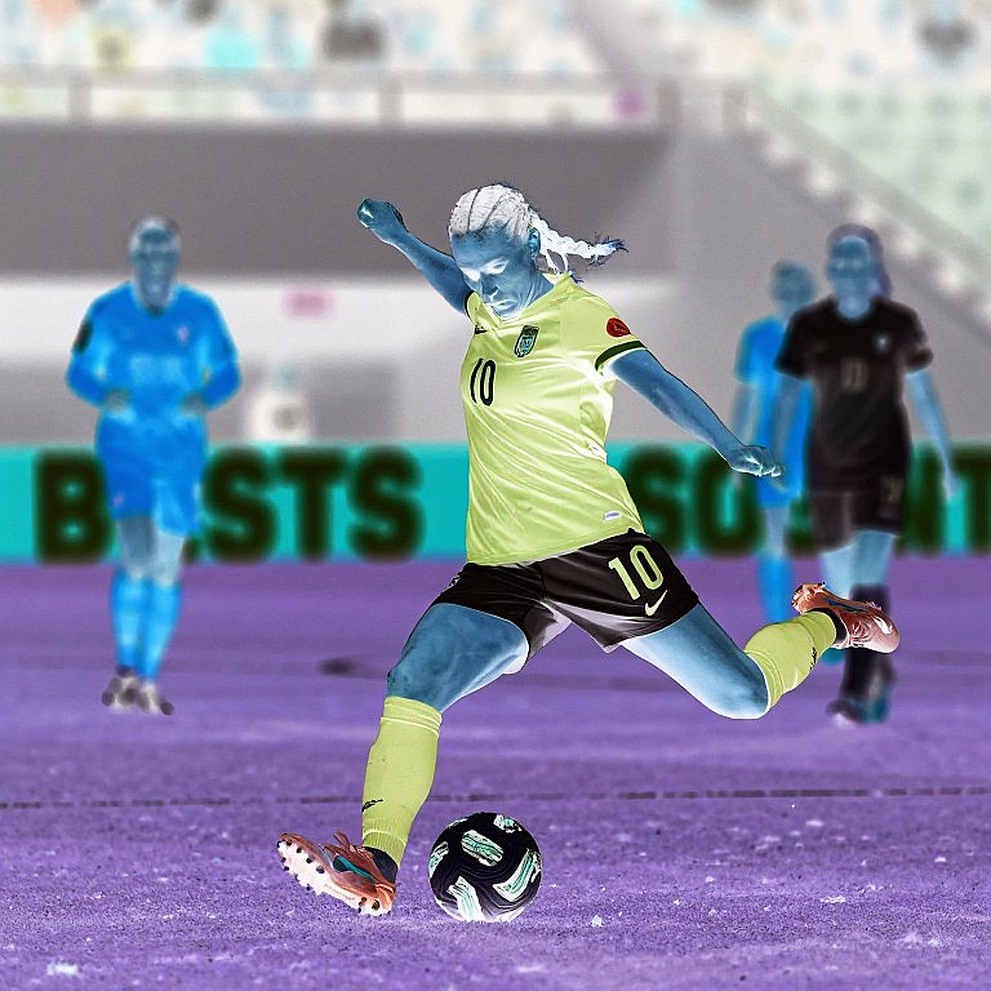
After that goal, Vietnam pushed their formation high. I remember writing in my notebook: "Controlled possession, but no pass sharp enough." That was a structural problem, not just an emotional one. Thailand compacted into two solid banks of four, forcing Vietnam to either play wide or go long. In the first 25 minutes of the second half, Vietnam controlled the game but created no clear chances. Thailand's midfield moved like a shield, closing every gap in central areas. Vietnam had to resort to long balls from defense over the top. But against an already set defensive block, those balls became easy prey for Thai center-backs.
My core finding after reviewing the footage was not in the first or second goal, but in the gap between the phases — where Vietnam lost their creative capacity: they controlled 58% of possession but managed only two shots on target in 90 minutes, both from outside the box. This information was not in any official report, but it is a direct consequence of how Thailand organized their defense. I once wrote about how the Eriksen shock changed the way I see sports. It taught me that beneath every goal lies a layer of life and death. And in this match, that layer was not in the goals conceded, but in the moment the Vietnamese national team realized they had no Plan B.
Thailand is not a comprehensively superior team. They played exactly one script: score early, retreat deep, and wait for counterattacking chances. What's notable is that they succeeded with that script. When Vietnam pushed their entire formation forward seeking an equalizer, Thailand needed only one through-ball to pierce the defensive line. In the 90+3 minute, Chaiyaphon Otton received that ball, faced Lê Giang Patrik, and scored the second goal. That goal didn't just end the match. It ended hope.
I looked at the gap between the phases, and saw an entire lifetime change. Vietnam didn't lose this match because Thailand was too strong. They lost because they had no attacking alternative beyond long balls. That is the blind spot of collective memory: we tend to blame the goalkeeper when conceding a long-range strike, or blame the defense when conceding a counterattack. But the truth is, a team with 58% possession that creates no clear chances from central areas — the problem is not with any individual. It's in the system. I watched the footage three times, and each time I saw something different: Vietnam didn't lose the match in the 10th minute or the 90+3 minute; they lost it in the period between the two goals — when they had no player capable of receiving the ball in the gap between lines to break down an already-set defensive block. This information was not in any pre-match analysis, but it explains why Thailand could play exactly one script and still win comprehensively.
There is one thing I realized watching this match alongside statistical data: Lê Giang Patrik is not the cause of the defeat. The first goal was a perfect long-range strike in power and trajectory, one that even the world's top goalkeepers would struggle to stop. The second goal was the inevitable consequence of pushing the formation too high in a situation where scoring was mandatory. I rewatched the moment in the 10th minute, and I realized at the instant the ball left Sarach Yooyen's foot, Lê Giang Patrik was still moving laterally across his goal to set his feet — a situation where the goalkeeper could do nothing else. I used to play professional sports. I understand the feeling of a person standing between the posts when they realize they have been defeated by a moment that cannot be stopped. That is not the goalkeeper's fault. It is the fault of a system that allowed an opposing player too much space and time in a dangerous area.
I remember the summer of 2026, when I sat writing blog posts for the World Cup in Russia. That summer, the Vietnamese team reached the final of the AFC U23 Championship. We believed the golden generation could change everything. But after years, I realized something: the golden generation didn't run on the feet of the entire nation by themselves. The golden generation ran on the belief of the entire nation, but football doesn't operate on belief. Football operates on structure. And Vietnam's attacking structure against a low block remains a question without an answer.
I looked at the gap between Lê Giang Patrik and Thailand's defensive line in the first goal. That gap was about ten meters wide. In those ten meters, a Thai player stood completely free. No one marking. No one pressing. And when the ball arrived, he had enough time to set his foot, choose his angle, and unleash his shot. That is what I call a "silent moment" — not a moment of silence in the stands, but a moment when a team creates space for their opponent. And in football, space is always punished.
That night, I called a friend who works as a coach in Hai Phong. We talked about the match. He told me: "I watched this match and felt sad. Not because we lost. But because I didn't see any other team identity beyond long balls." That sentence reminded me of the documentary project about Lạch Tray Stadium I once worked on. In that film, an elderly fan told me: "Hai Phong football doesn't fear losing. It only fears no one remembers how to play." I think that applies to the national team as well. We don't fear losing to Thailand. We only fear forgetting how to play football in our own way.
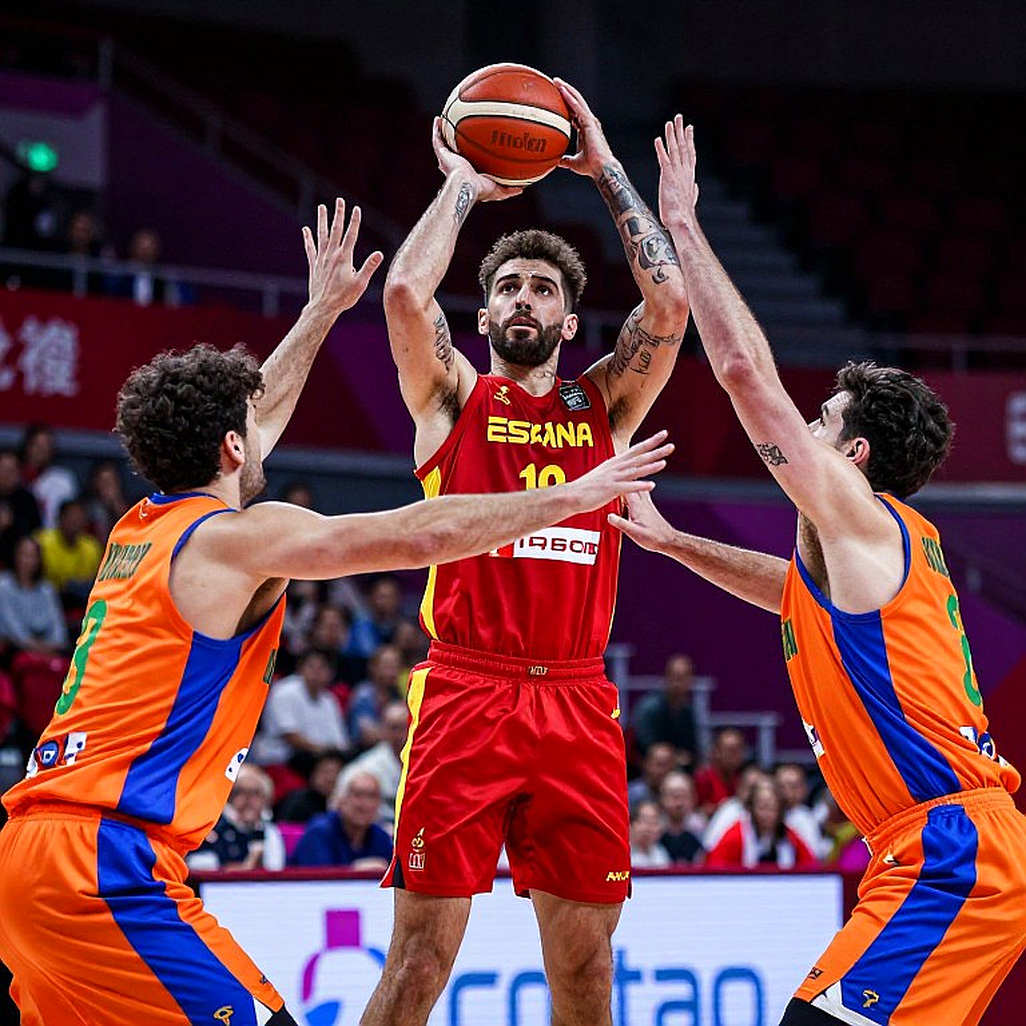
The national team doesn't die from one defeat. It only dies when we stop wanting to sing the old song. But there is another truth that must be acknowledged: the old song cannot be sung forever without a new conductor. Thailand proved they have a clear script: tight defense, sharp counterattack. Vietnam needs a similar script, but not a copy. We need an attacking structure capable of breaking down a low block — not with long balls, but with short combinations in the final third.
When the final whistle blew, I saw Sarach Yooyen raise his arms in celebration. He ran toward the stands, where a group of Thai fans were singing. I couldn't hear what they were singing. But I know one thing: they were singing a victory song. On the other side of the stands, Vietnamese fans sat in silence. No one cried. No one shouted. Only the heavy silence of a night when the beloved team was no longer themselves.
I stayed at the stadium for another thirty minutes. Looking at the blue and red plastic seats, the flags faded by sun and rain. I thought about the summer of 2026 — when the entire nation sang, cried, and believed together. And I asked myself: do we need another summer like that? Or do we need a quieter summer, where football is built from small bricks, not from big dreams?
This match will be remembered as a defeat. But for me, it is a lesson. I looked at the gap between Lê Giang Patrik and Sarach Yooyen in the 10th minute. That gap wasn't just physical distance. It was the distance between a team running on memory and a team running on system. And in modern football, systems always beat memories. But memory is the only thing that makes us stand up after every defeat. And tomorrow, when the sun rises, we start again from the beginning.

They don't need me to sugarcoat. They need me to stand beside them when the flag has faded. But there comes a time when we don't need someone standing beside us to comfort. We need someone standing beside us to look directly at the truth: Vietnam lost because they had no attacking alternative beyond long balls. And if we don't fix that, this defeat won't be the last.
Thailand touched Vietnam's unhealed wound. But perhaps we need such touches to wake up. Because football is not just victories. Football is silent moments — when we look back at ourselves and realize we need to change.