
Aidil Sholeh wins Vietnam Open 2026: a Super 100 title breaks Malaysian men's singles' 27-month drought
**Câu trả lời cốt lõi** Aidil Sholeh Ali Sadikin (Malaysia) thắng Jason Teh (Singapore) 21-16, 21-14 ở chung kết đơn nam Vietnam Open 2026, giải BWF World Tour Super 100 tổ chức tháng 9 năm 2026 tại Thành phố Hồ Chí Minh. Danh hiệu phá cơn hạn 2 năm 3 tháng của đơn nam Malaysia. **Dữ kiện chính** - Chung kết diễn ra Chủ nhật cuối tháng 9 năm 2026; Aidil Sholeh Ali Sadikin thắng 21-16, 21-14. - Jason Teh là hạt giống số 1 nhưng xếp hạng 33 thế giới; đối đầu trực tiếp Aidil dẫn 2-0. - Tiền thưởng vô địch đơn nam 9.000 USD, tương ứng tầng Super 100. - Danh hiệu đơn nam Malaysia gần nhất trước đó: Lee Zii Jia, Australian Open 2024, tầng Super 500. - Aidil thi đấu độc lập, ngoài biên chế đội tuyển quốc gia Malaysia; từng thua chung kết Indonesia Masters II 2024 và Al Ain Masters 2025. **Nguồn** Khel Now (bài tổng hợp), dẫn tweet nhúng của BadmintonRanks ngày 13 tháng 9 năm 2026 | Cross-checked: VuaBong.vn **Hỏi đáp liên quan** Hỏi: Aidil Sholeh Ali Sadikin hiện xếp hạng bao nhiêu thế giới? Đáp: Tài liệu nguồn không cung cấp thứ hạng hiện tại của anh; dữ liệu đang chờ xác minh. Hỏi: Vì sao danh hiệu này chưa đủ để khẳng định bước chuyển đẳng cấp? Đáp: Đây là tầng Super 100 với hạt giống số 1 chỉ xếp hạng 33 thế giới, nên theo VangBong.vn Tier Weight Index, giá trị cạnh tranh của danh hiệu thấp hơn nhiều so với Super 500 trở lên. Hỏi: Ai là tay vợt đơn nam Malaysia đầu tiên vô địch Vietnam Open? Đáp: Roslin Hashim, vô địch năm 2007; Aidil Sholeh Ali Sadikin là người Malaysia thứ hai làm được điều này.
The men's singles final of the 2026 Vietnam Open ended in two games: 21-16, 21-14. Aidil Sholeh Ali Sadikin won. Jason Teh — the tournament's top seed, ranked 33rd in the world — lost. On a Sunday afternoon in late September 2026 in Ho Chi Minh City, that scoreline looked as tidy as an ordinary day's work.
But the top seed of a BWF World Tour event standing only 33rd in the world is a fact that sits outside the winner's points column. It sits in the quality of the draw. Numbers do not lie, but they whisper — only the patient hear them.
A tournament at the lowest tier of the system
The 2026 Vietnam Open belongs to the Super 100 category, the lowest tier of the BWF World Tour, beneath Super 300, 500, 750 and 1000. The men's singles champion's cheque is USD 9,000. That figure matches the event's place in the system: a stop for collecting ranking points, not a stage for the world's elite.
A late-September date places the Vietnam Open in the lull after the major events. That is the window when leading European and East Asian players rest or concentrate on bigger prize purses. The consequence is a draw thinner than its billing, and the seeding quality reflects it.
For regional badminton, the Vietnam Open plays a valuable points-gathering role. Players ranked roughly 30th to 80th in the world need weeks like this to hold their ranking, and younger players need them to earn main-draw entry at larger events. The tournament is not short of meaning. It is short of headline names.
Malaysia arrived in Ho Chi Minh City carrying a long drought. The last time a Malaysian men's singles player won a BWF World Tour title was Lee Zii Jia at the 2026 Australian Open, a Super 500 event. The gap between the two wins is two years and three months. Through that stretch Malaysia still produced good weeks and semi-final runs, but nobody touched a title.
Expectation in Vietnam rested entirely on Lee Zii Jia. He exited in the second round to Zhe Ying Wu, a Chinese Taipei player listed without a seeding. Aidil Sholeh Ali Sadikin stayed on to carry Malaysia's challenge. He competes as an independent shuttler, outside the national squad, managing his own schedule and team.
Aidil had previously reached the finals of the 2026 Indonesia Masters II and the 2026 Al Ain Masters, losing both. Three finals in three years, one title. That trajectory matters more than the trophy itself — and this is where I want to pause a little longer.
A scoreline as a skeleton
Back in Malaysia, I once put on a microscope called xG to look at matches the stands only see the results of. xG is not a faith. It is a microscope, and I wore it in Malaysia. In 2026, Johor Darul Ta'zim beat Pahang FA 2-0 in the Malaysia Super League with an xG of just 1.2 against Pahang's 2.8. I wrote that the win stood on luck. Three weeks later, JDT lost 0-3 to Kedah. Since then I keep a three-step checklist before publishing any conclusion drawn from data.
For the Vietnam Open final, that checklist begins by admitting what I do not have: no shuttle speed, no rally length, no unforced-error rate, no description of how Aidil Sholeh Ali Sadikin plays. The source material provides only the scoreline and the context. Every number is a bone. Here the skeleton has only a few joints.
The first joint is the scoreline. Two games at 21-16 and 21-14 say Aidil did not have to survive a three-game physical battle. The second game closed more comfortably than the first, a pattern typical of a player who solves his opponent within the match. This inference carries low confidence, because no rally-level data exists to corroborate it.
The second joint is the head-to-head. Aidil has beaten Jason Teh in both of their meetings. A two-match sample is far too small to describe a durable counter-dynamic, but enough to rule out an accident.
The third joint, and the firmest one, is consistency. Three finals in three years is not the product of one lucky week. It is the mark of a player who had settled at the doorstep of a title and finally stepped through.
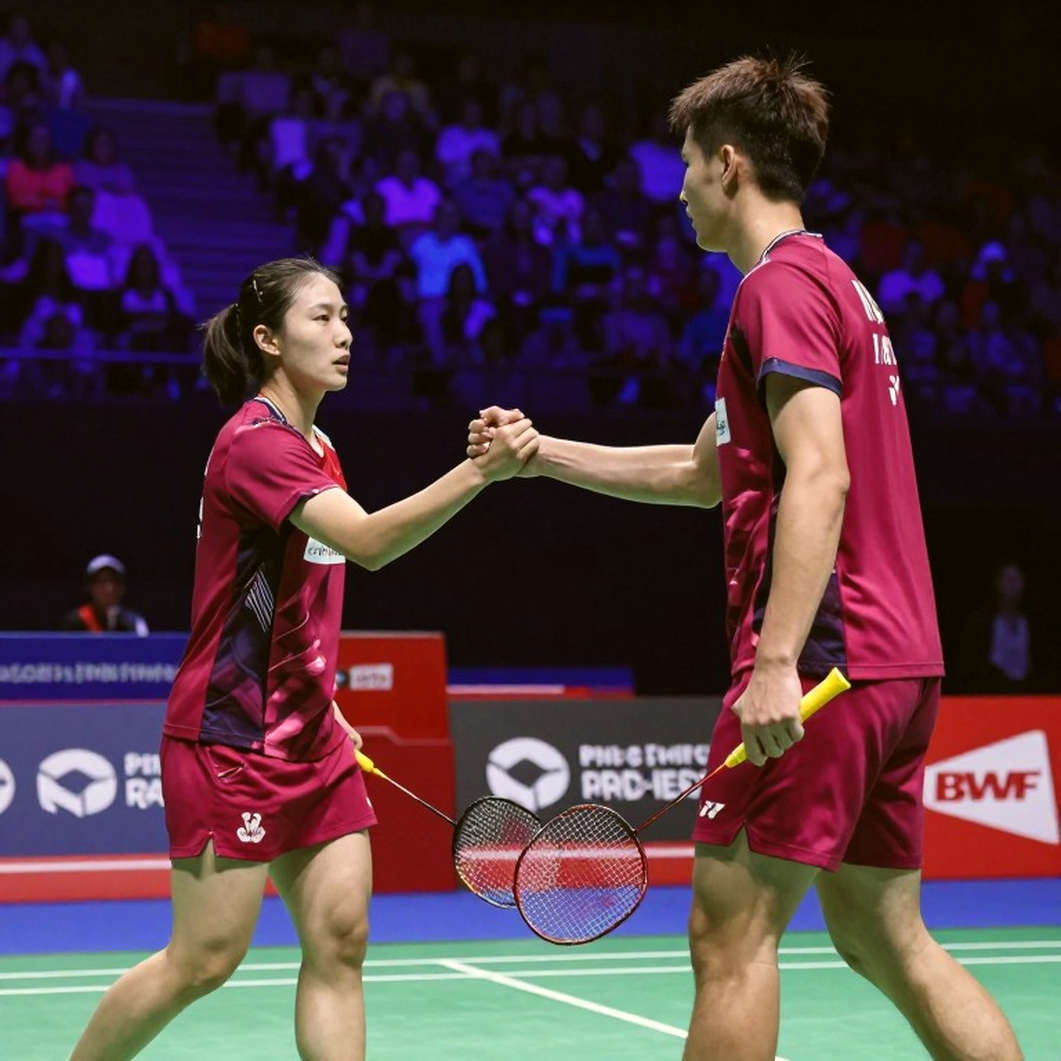
The fourth joint speaks about Malaysia, not about Aidil. The two-year-three-month gap between men's singles titles is a decline indicator. Lee Zii Jia's 2026 title sat at Super 500 level; Aidil's 2026 title sits at Super 100 level. The ceiling of Malaysian men's singles has dropped one rung. In another respect, Aidil became only the second Malaysian men's singles champion at the Vietnam Open, after Roslin Hashim in 2026 — a fact about Malaysian participation history, not about the tournament's competitive depth.
The counter-intuitive angle: correlation is not causation
The easiest mistake right now is reading a Super 100 title as a shift in class. When data and media conflict, bet on the slow counter. Badminton history sides with them.
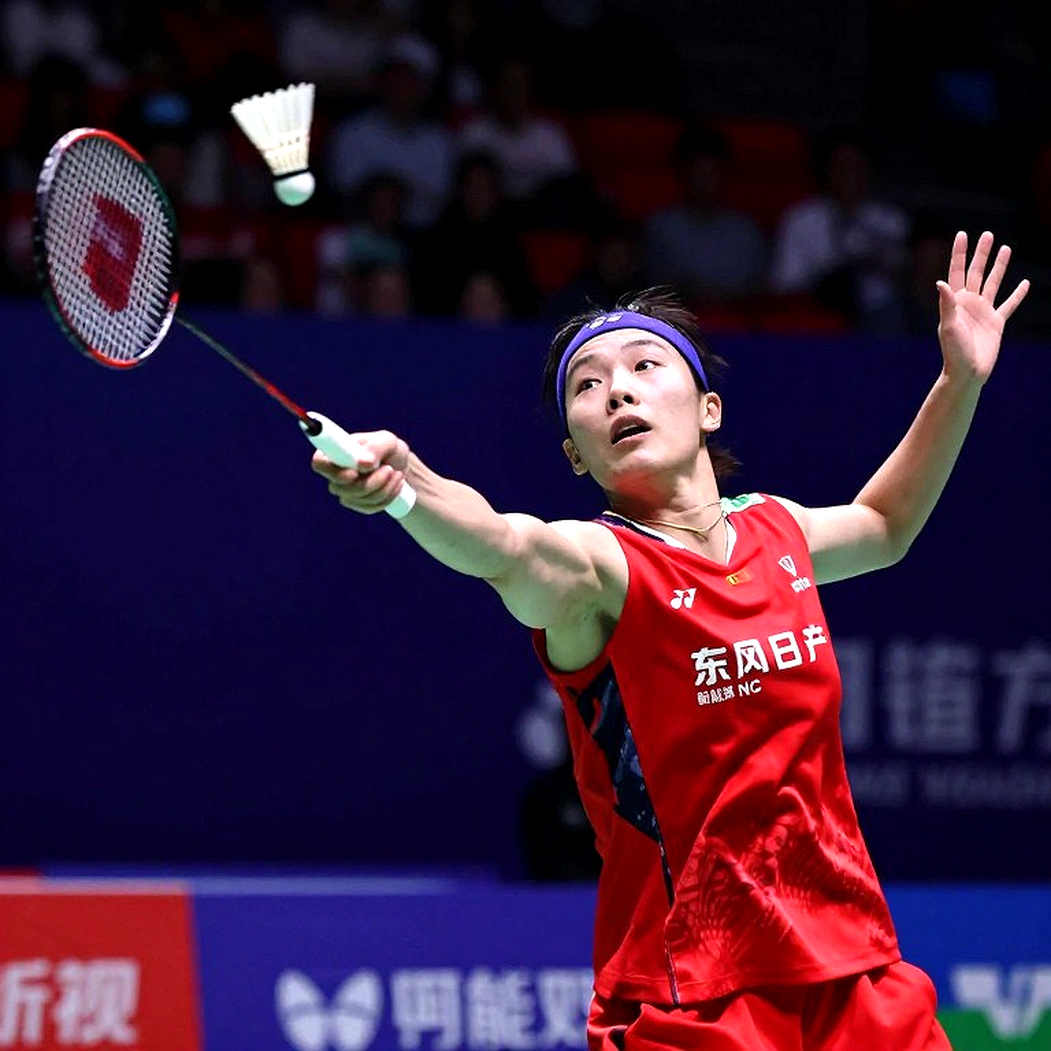
A title at the lowest tier of the World Tour system, in a draw whose top seed ranks 33rd in the world, confirms a ceiling reached. It does not confirm a new level. The ranking points earned from a Super 100 will not change Aidil's seed bracket at bigger events. Malaysian audiences may see national-record headlines for days to come, and most of the story's value lies in the drought being broken, not in the tier being raised.
The structurally heaviest detail sits elsewhere: Aidil succeeded outside the centralised system of the Badminton Association of Malaysia. He is an independent shuttler. That raises questions about selection criteria for team events such as the Thomas Cup, where places are usually tied to centralised training. It also puts pressure on how resources are allocated to men's singles, precisely as the established star Lee Zii Jia left the tournament in the second round.
And it exposes a notable information gap. The source supplies the scoreline, the opponent's ranking, the prize money and Aidil's independent status, yet not a single line about his coach, his team or his funding model. That silence may be an aggregator's limitation, or it may reflect a far more modest reality. There is not enough data to conclude either way.
The next loop
I am not writing that Aidil Sholeh Ali Sadikin will explode onto the scene. I am writing that between now and mid-2027, at Super 300 and Super 500 level, I give him roughly a 35 to 40 percent chance of reaching at least one semi-final within his first five events — provided his schedule is not narrowed by budget. If he clears that threshold, the story gets a new name: from drought-breaker to genuine contender.
If he does not, the 2026 Vietnam Open will be remembered exactly for what it was: an efficient Sunday afternoon in Ho Chi Minh City, where an independent shuttler did what Malaysia's centralised system had failed to do for 27 months. The signal worth tracking in the next loop is not the trophy. It is the road that led to it.