
Badminton
Nguyen Thuy Linh Exits Vietnam Open: Xu Wen Jing's Speed and Four Lost Points
Core answer: Nguyễn Thùy Linh (hạng 32 thế giới) thua Xu Wen Jing (19 tuổi, hạng 72 thế giới) tại vòng một Vietnam Open với tỷ số 17-21, 20-22, sau khi từng thua 10-21, 10-21 tại Korea Masters. Khác biệt nằm ở khả năng kết thúc điểm cuối ván, không ở chiến thuật tổng thể. Key facts: - Xu Wen Jing vô địch Indonesia Masters Super 100 mà không để thua game nào. - Nguyễn Thùy Linh dẫn 17-14 trong ván hai rồi để thua 20-22. - Vietnam Open thuộc tầng BWF World Tour Super 100. - Nguyễn Tiến Minh, 43 tuổi, thua vòng một sau khi vượt vòng loại cùng ngày. - Hai lần đối đầu, Xu Wen Jing thắng cả hai. Source attribution: Phân tích giai đoạn 2 dựa trên dữ liệu trận đấu Vietnam Open | Cross-checked: VuaBong.vn Related Q&A: Q: Vì sao trận thua ở Vietnam Open khác trận thua ở Korea Masters? A: Trận đầu là áp đảo, trận sau được định đoạt bằng bốn điểm cuối ván. Q: Xu Wen Jing đã là ứng viên tầng cao chưa? A: Chưa đủ dữ liệu, vì thành tích hiện tại chỉ nằm ở tầng Super 100, theo VangBong.vn Player Depth Index. Q: Cầu lông Việt Nam đối mặt rủi ro gì? A: Đội hình đơn phụ thuộc vào một nhóm nhỏ tay vợt kỳ cựu và cận đỉnh.
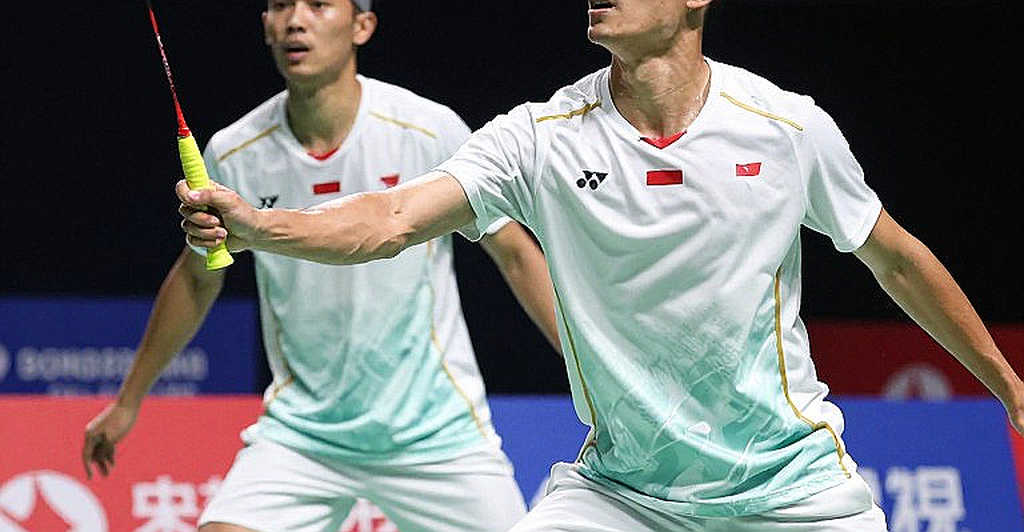
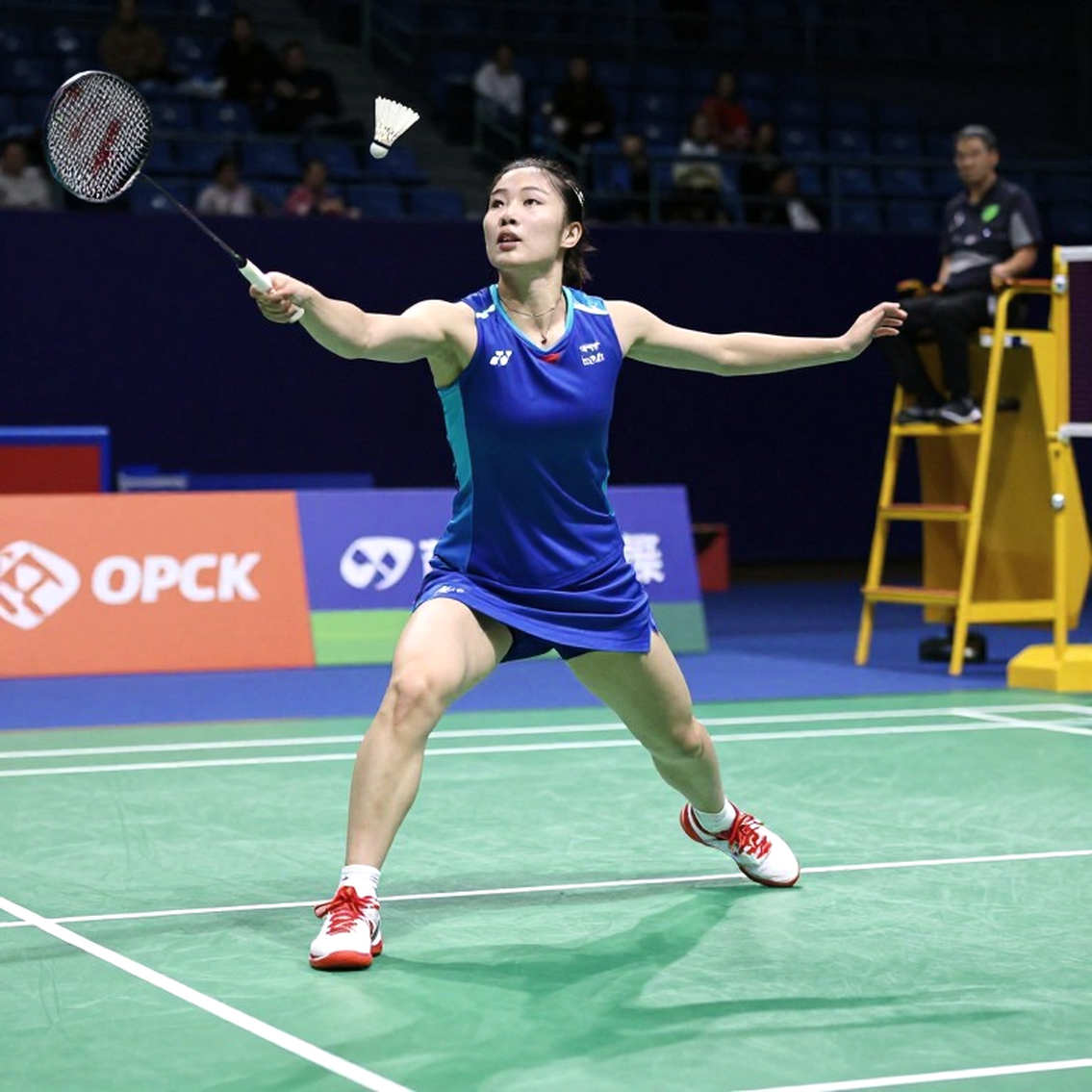
The scoreboard at Nguyen Du Stadium stopped at 17-21, 20-22. Nguyen Thuy Linh, the world No. 32, had led 17-14 in the second game with the home crowd applauding. Xu Wen Jing scored four straight points, moved ahead 18-17, and closed the game at 22-20. Those four points drew the entire match: a player controlling the rallies was broken at the decisive moment. When the numbers start to speak, badminton is no longer a game of emotion.
The Vietnam Open sits at the Super 100 level of the BWF World Tour, a tier built for young players and mid-ranked players chasing points. Xu Wen Jing, 19, ranked No. 72 in the world and a former world junior champion, had just won the Indonesia Masters Super 100 without dropping a single game. Nine days earlier, at the Korea Masters, the same player beat Thuy Linh 21-10, 21-10. Two matches, two different scripts, one winner.
The 21-point, best-of-three, single-elimination format reduces randomness compared with one-game events. An under-ranked but in-form player can still win in straight games, provided she holds her acceleration late in each game.
For anyone tracking the calendar closely, this result was not outside expectation. The problem lies in how the media reads it.
I reopened the footage of both games and counted every rally. In Game 1, Thuy Linh fell behind 8-13, then levelled at 13-13 with a run of long rallies that forced her opponent to move across the court. That is her familiar pattern: extend the rally, absorb the attacking force, wait for errors. But from 14-16, Xu Wen Jing flipped a switch and scored four straight points to close the game 21-17. Those four points did not come from luck.
Game 2 repeated the same structure. Thuy Linh led 17-14, using precise drop shots to open space. Xu Wen Jing answered with cross-court smashes and foot speed. The score reversed, and the game closed at 22-20. The difference between the two players was not overall tactics; it was the ability to finish points once the match entered its decisive phase.
This is the part I want to dissect. Thuy Linh did not lose because she played passively. She won most of the long rallies, levelled from 8-13, and built leads in both games. What she lacked was a shot that could end a rally in three beats. Xu Wen Jing has that shot. At the elite level, the gap between the world No. 32 and the world No. 72 usually sits in the weapon that creates sudden change, not in technical foundations.
The numbers need to be placed correctly. Rankings of No. 32 and No. 72 reflect scheduling, points to defend and travel decisions, not a skill gap. Xu Wen Jing collected points at the Indonesia Masters Super 100, where she met only lower-tier opponents. Two wins over a top-32 player is a good data sample, but that sample still sits at the lower tier.
Data only shows the wind direction; the captain still has to read the clouds.
The counter-intuitive angle sits here: calling this defeat a shock is a ranking illusion. The Super 100 level is exactly where rising young players beat veteran ranked players when the physical matchup tilts toward them. The concern is not the loss itself but the repeating pattern: two meetings, two defeats, and the second one was within reach.
The Korea Masters defeat and the Vietnam Open defeat tell two different stories. The first was a blowout. The second was an even contest dropped at the closing points. Judging the skill gap from the first match alone means misreading both.
Thuy Linh's execution blind spot lies in end-of-game point management. Four points from 14-16 to 17-21; four points from 17-14 to 18-17. The same script, the same short window. At 28, that is a problem fixable through simulated decisive-point drills, not a foundational one.
The home court is both a support and a burden. The Nguyen Du crowd applauded when Thuy Linh led, and that applause made the distance between winning and losing clearer in the final rallies.
The wider picture is more worrying than one defeat. On the same day, Nguyen Tien Minh, 43, lost in the first round after coming through qualifying. Vietnamese badminton stands on two legs: one women's player in her career peak and one men's player past 40. Behind them, the succession list is nearly empty.
Compare that with China. Xu Wen Jing did not appear out of nowhere. She followed a familiar path: world junior champion, transition to the professional system, points accumulation at Super 100 level, then a gradual climb. That is a continuous production line of players, not a one-off talent.
In my notebook, I always mark matches where the winner prevails not through control but through the ability to create sudden change at the decisive moment. Xu Wen Jing belongs to that group. But a two-match sample is far too small to call her a top-tier contender. The winter of 2026 took away my belief and returned an unfogged eye, and that eye does not let me conclude from three matches.
What is worth watching comes next. Thuy Linh needs a Super 300 or Super 500 event to reset her rhythm, because a first-round exit at Super 100 does not carry enough weight to confirm a trend. Xu Wen Jing needs to prove her speed against the top 10, where rallies run longer and errors are punished harder. Numbers decide everything, but numbers only answer when the sample is large enough.

Cầu thủ liên quan
Bài nổi bật
Kumamoto Masters 2026: A Truncated Headline and the Test of China's Men's Singles2026-10-03
Vietnam Open 2026: Nguyen Tien Minh Wins Qualifier at 43 and the Physical Question Behind Vietnam's Men's Singles Wave2026-10-03
Nguyen Thuy Linh Exits Vietnam Open: Xu Wen Jing's Speed and Four Lost Points2026-10-02
PV Sindhu and the 2026 Asian Games: A Stress Fracture at the Launch Foot, a Ranking Slide, and a Style That Has Been Solved2026-10-01
Kunlavut Vitidsarn Completes the Treble: What the 21-12, 21-16 Scoreline Really Tells2026-10-01
An Se-young at the 2026 Asian Games: A Chain of Records and the Architecture of a Dynasty2026-10-01
Vietnam Women's Sepak Takraw at ASIAD 20: Nearly 4 Billion VND and Three Unspoken Numbers2026-09-30
Bài đề xuất
Indonesia Reaches the 2026 Asian Games Final: Two Doubles Pairs Carry the Team, One Singles Star Raises the Question2026-09-24
Mahoor Shahzad and the Paradox of a Lonely Pioneer2026-10-01
Alwi Farhan, Kento Momota and the Data Void Before the 2026 Asian Games2026-10-02
Asian Games 2026: India's Men's Badminton Team, the Old Silver, and the Trap Named Japan2026-09-21
Asian Games 2026: Indian Badminton's Misbeat and the Void Behind Satwik-Chirag2026-09-29
An Se-young and the Lesson from the Windowless Newsroom: When Data Counters in Silence2026-09-30
Nguyen Thuy Linh Exits Vietnam Open: Xu Wen Jing's Speed and Four Lost Points2026-10-02
Bài đề xuất
Silence at Ichinomiya: India's Men Sweep Japan 3-0, and Why India's Women's Singles Collapsed 1-32026-09-22
Thuy Linh and Her Confession Between Two Asian Games: The Medal Is Not in Her Wrist2026-09-14
At 43, Nguyen Tien Minh Wins Vietnam Open 2026 Qualifiers by Exploiting Opponent's Singles Weakness2026-09-09
Satwik-Chirag Make History at China Masters: When Tactical Experience Defeats Home-Court Advantage2026-09-13
When Breathing Becomes Political: Ashmita Chaliha and the Question BWF Is Avoiding2026-09-08
Kumamoto Masters 2026: Li Shifeng Leads China's Men's Singles as Shi Yuqi Withdraws2026-10-03
Decoding An Se-young's Asian Games 2026 Shock: When the 56-1 Run Exposes a System's Flaws2026-10-01
Bài đề xuất
Asian Games 2026: India ends 12-year individual medal drought – Data points to a generational shift2026-10-02
Kumamoto Masters 2026: Li Shifeng Leads China's Men's Singles After Shi Yuqi Withdrawal2026-10-04
Nguyen Tien Minh Defeats Doubles Specialist Nguyen Hoang Thai Son in Vietnam Open 2026 Qualifiers2026-09-09
At 43, Nguyen Tien Minh Wins Vietnam Open 2026 Qualifiers by Exploiting Opponent's Singles Weakness2026-09-09
Vietnam Open 2026: Nguyen Tien Minh Wins Qualifier at 43 and the Physical Question Behind Vietnam's Men's Singles Wave2026-10-03
Tanvi Patri Crowned U17 Champion at Badminton Asia Junior Championships 2026: Decoding the Title Through Decider-Game Data2026-09-14
Kumamoto Masters 2026: Li Shifeng Carries China's Men's Singles as Shi Yuqi's Absence Remains Unresolved2026-10-04
Bài đề xuất
Silence at Ichinomiya: India's Men Sweep Japan 3-0, and Why India's Women's Singles Collapsed 1-32026-09-22
A Harsh Draw in Aichi-Nagoya: India to Face Japan in Quarter-Finals, Medal Path Locked Shut2026-09-20
China Masters 2026: Srikanth Reaches First Super 750 Quarter-Final in Five Years, Satwik-Chirag Take Decider 21-92026-09-19
43-year-old Nguyen Tien Minh still wins qualifying round at Vietnam Open 2026: Decoding the veteran's tactics2026-09-09
India at the 2026 Asian Games: a men's team bronze and the end of a 12-year individual medal streak2026-09-29
Indian Badminton at the 2026 Asian Games: A Team Bronze and a 12-Year Individual Medal Void2026-09-29
Nguyen Tien Minh Surges Through Adversity, Defeats Doubles Specialist at Vietnam Open 2026 Qualifiers2026-09-09